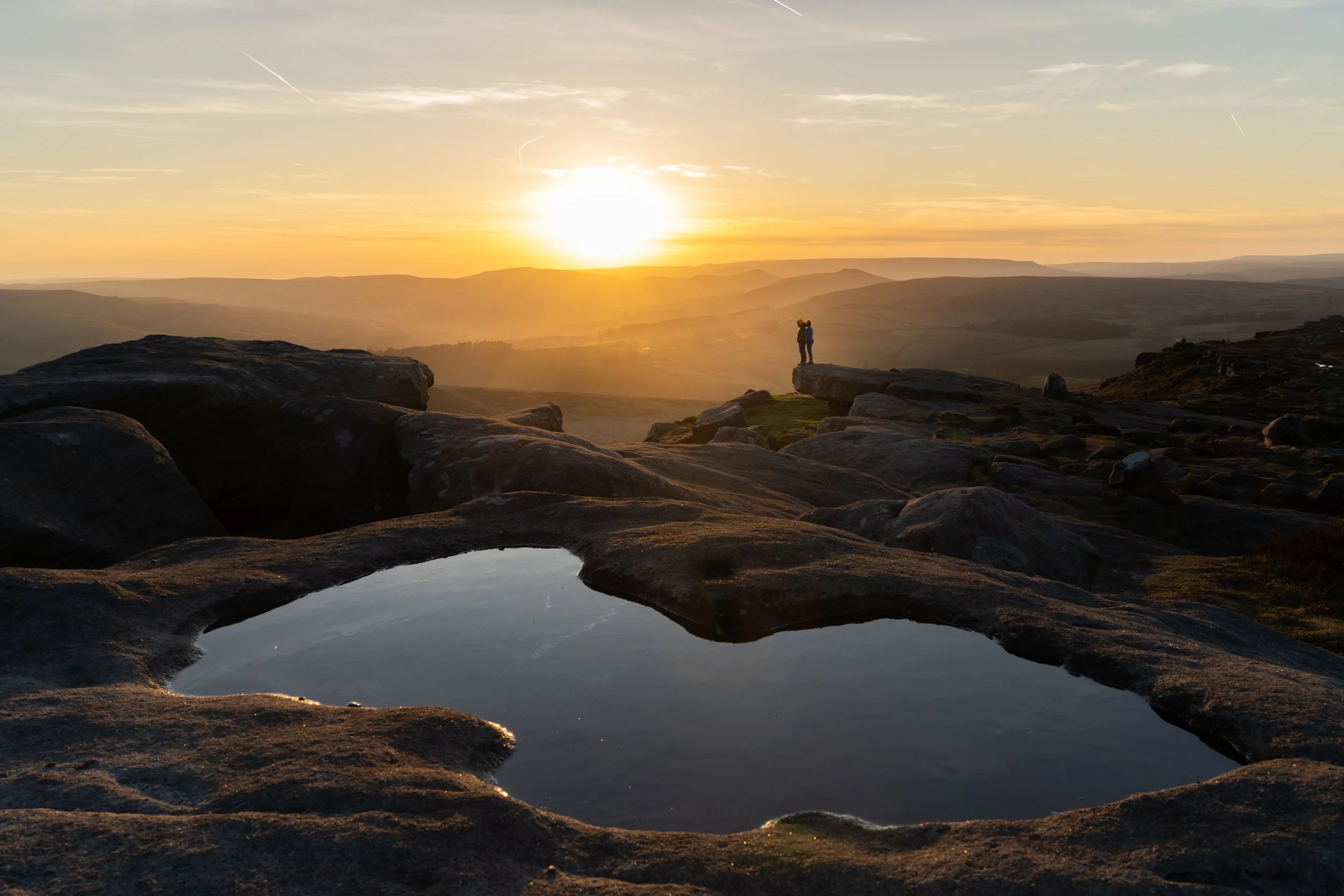
When I first became interested in photography, I was convinced that finding interesting photographs meant visiting interesting places.
For me, that usually meant heading off to one of our national parks, often involving a fair bit of travelling and getting up at a frankly ridiculous hour of the morning. All in the hope of arriving at a well-photographed location just as the light was doing something spectacular.
And sometimes, everything would fall into place. The weather would cooperate, the light would be beautiful and I'd come home with photographs that, technically at least, were pretty good.
But something had started to change.
Even when everything went to plan, I was finding that the photographs didn't really resonate with me anymore. They were images of beautiful places, taken in beautiful conditions, but I wasn't sure what I was actually getting from them.
I began to question whether I was photographing these places because I genuinely found them interesting, or simply because I'd convinced myself that these were the sorts of places photographers were supposed to visit.
And that eventually led me to reconsider what actually makes a photograph interesting.
Finding Something More Interesting Than the Scenery
Looking back, I think the signs that my approach to photography was changing had been there for quite some time.
Even when I was visiting the Lake District to photograph the landscapes, I'd often find myself becoming distracted by the more unusual things I encountered along the way.
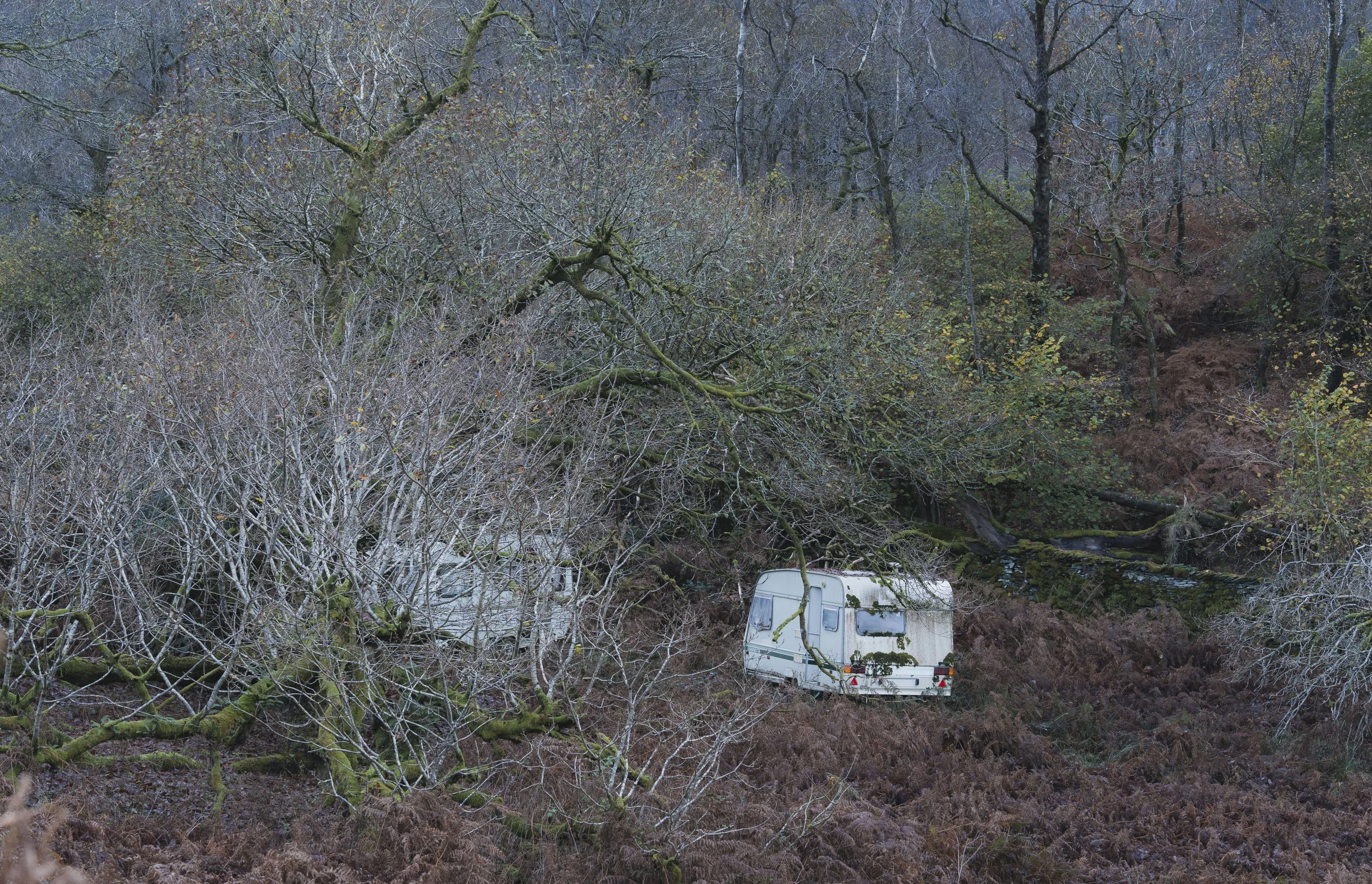
I remember one particular occasion when I was photographing in a woodland and stumbled across what appeared to be some abandoned caravans.
They seemed completely out of place, and I immediately found myself wondering how they'd ended up there. Who did they belong to? How long had they been there? And why had they seemingly been left behind?
I took a few photographs before continuing with my day.
But when I got home and looked through the images, something struck me. Of all the photographs I'd taken that day, it was the caravans I kept coming back to.
They weren't particularly beautiful subjects, and I certainly hadn't travelled all that way with the intention of photographing abandoned caravans.
But they interested me.
Unlike the more conventional landscape photographs I'd taken, these images made me curious. They raised questions that I couldn't necessarily answer, and perhaps that was part of their appeal.
I began to realise that an interesting photograph didn't necessarily need an interesting location, beautiful light or even a conventionally attractive subject.
Sometimes, it just needed to make me stop and wonder.
Learning to Photograph Without a Plan
These days, my approach to photography is considerably less complicated.
I'll usually have a rough idea of where I'm going to walk, but that's about as much planning as I tend to do. I rarely set out with a particular photograph in mind, and I certainly don't spend much time worrying about whether the light is going to be spectacular.
Instead, I simply walk and see what catches my attention.
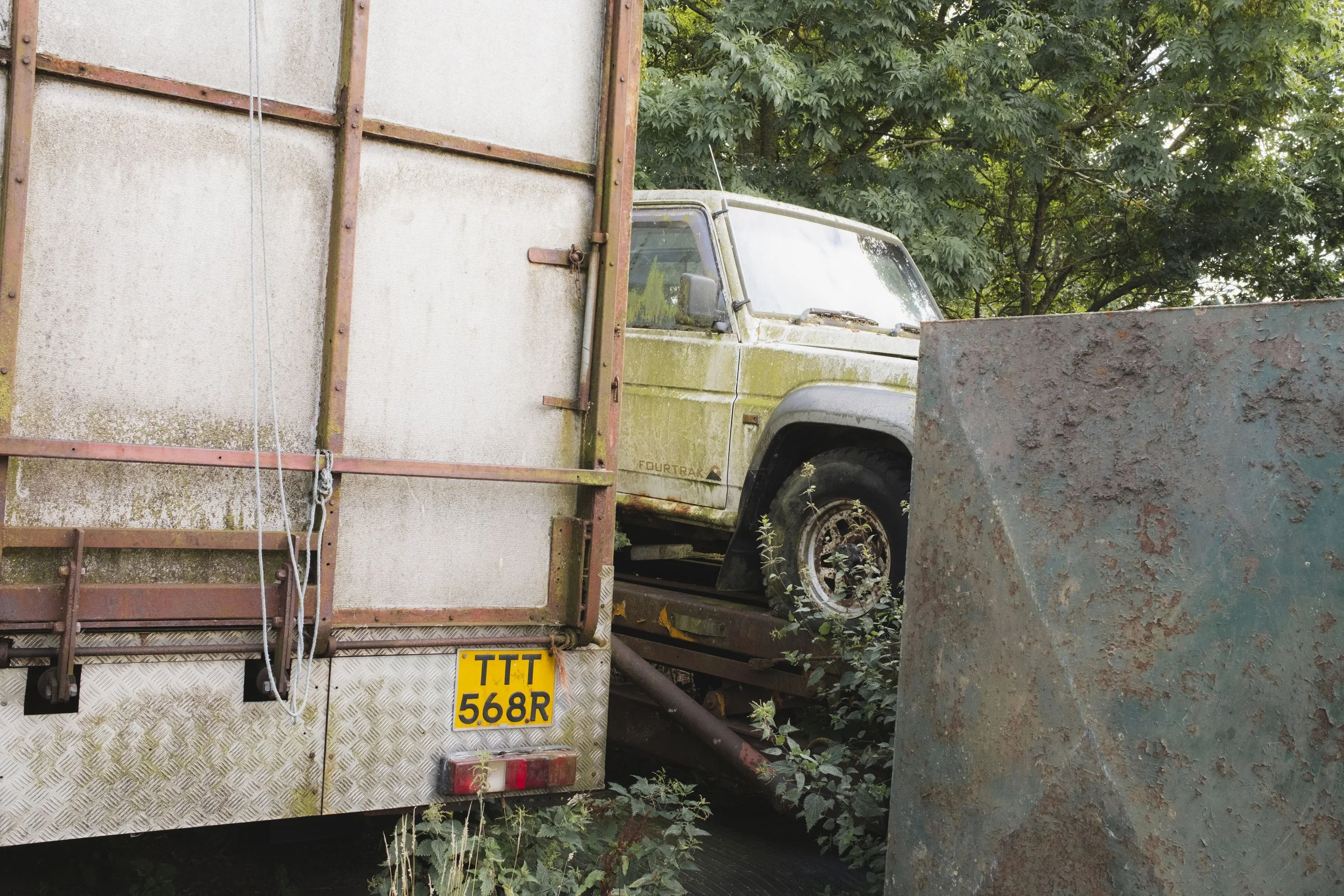
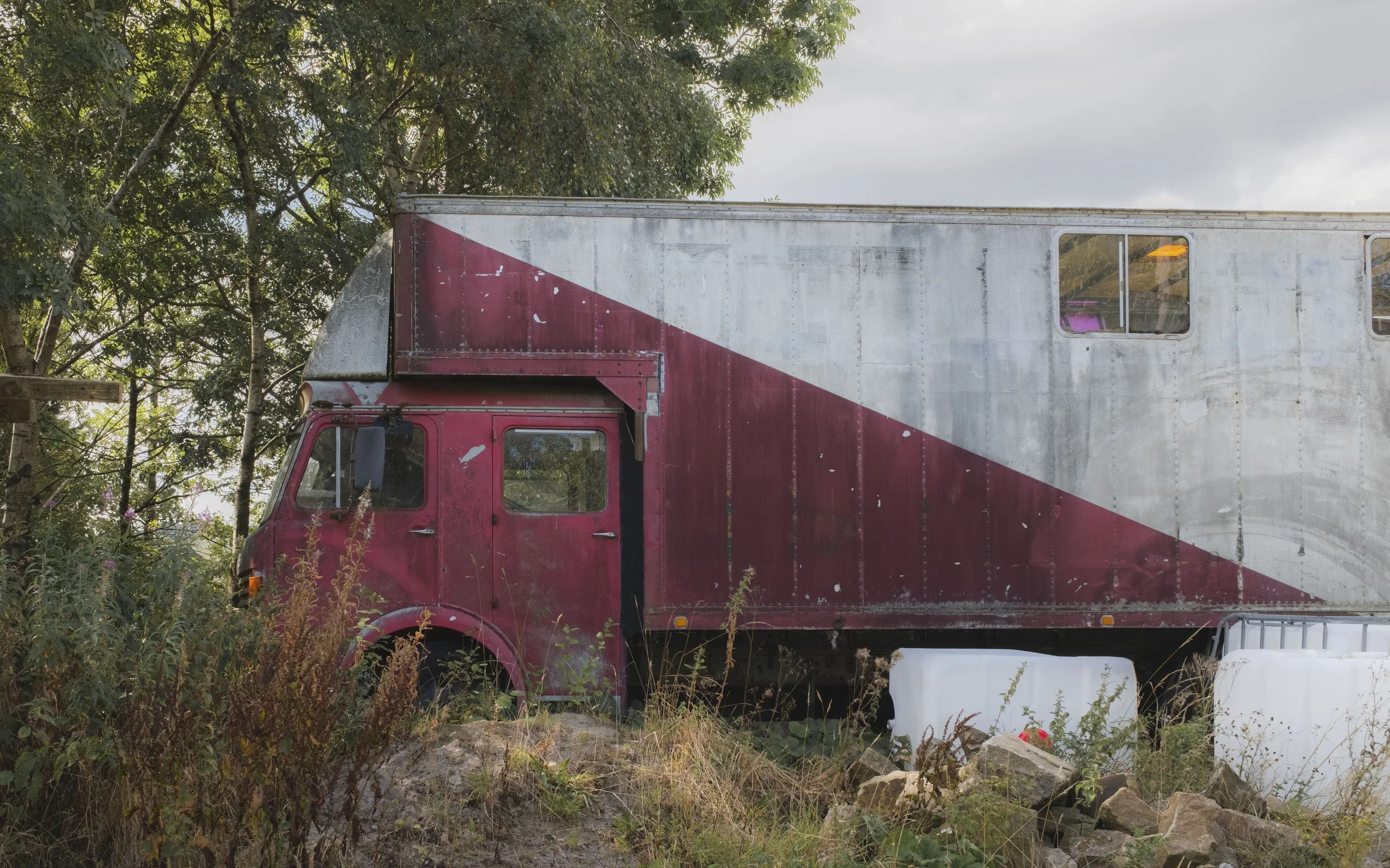
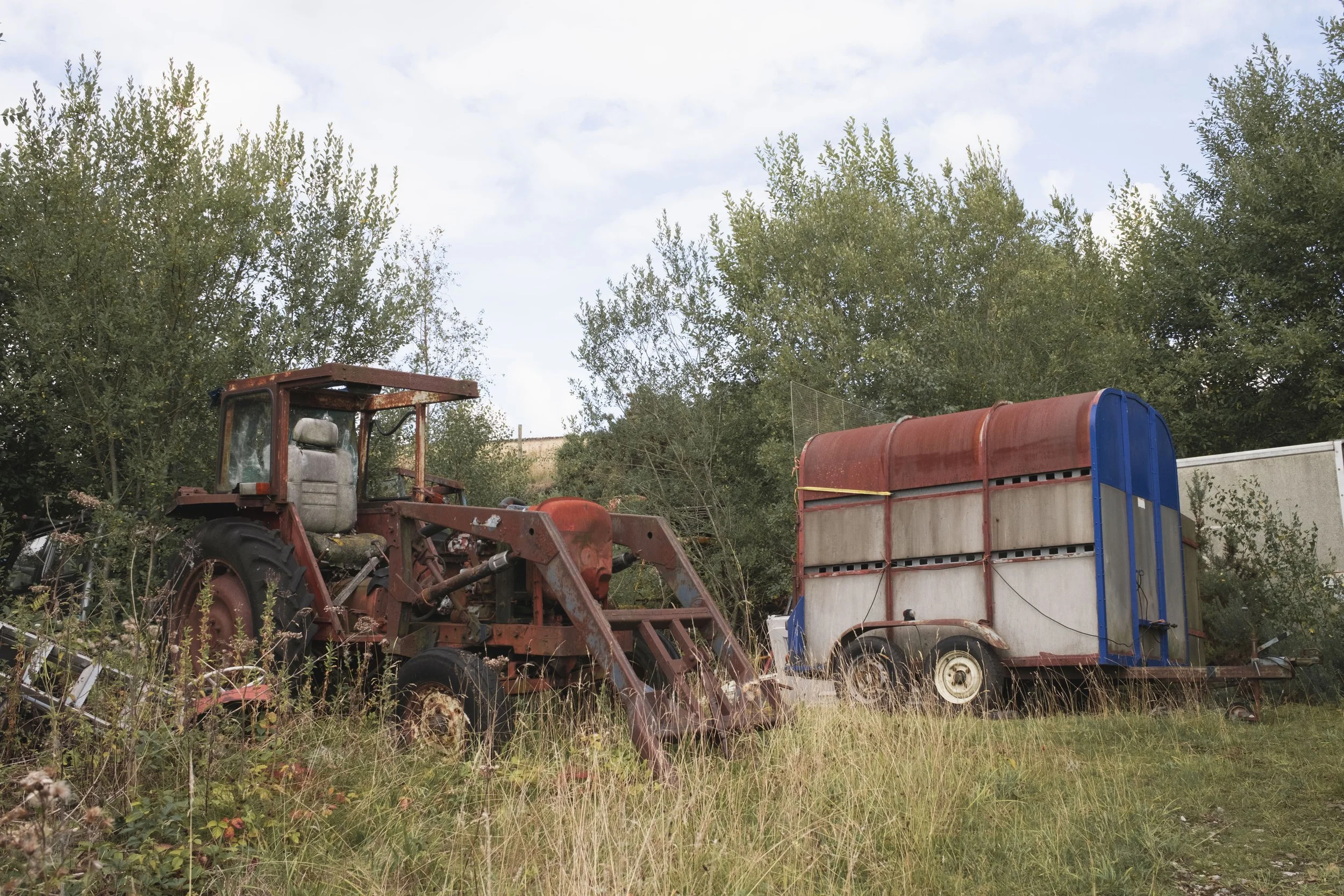
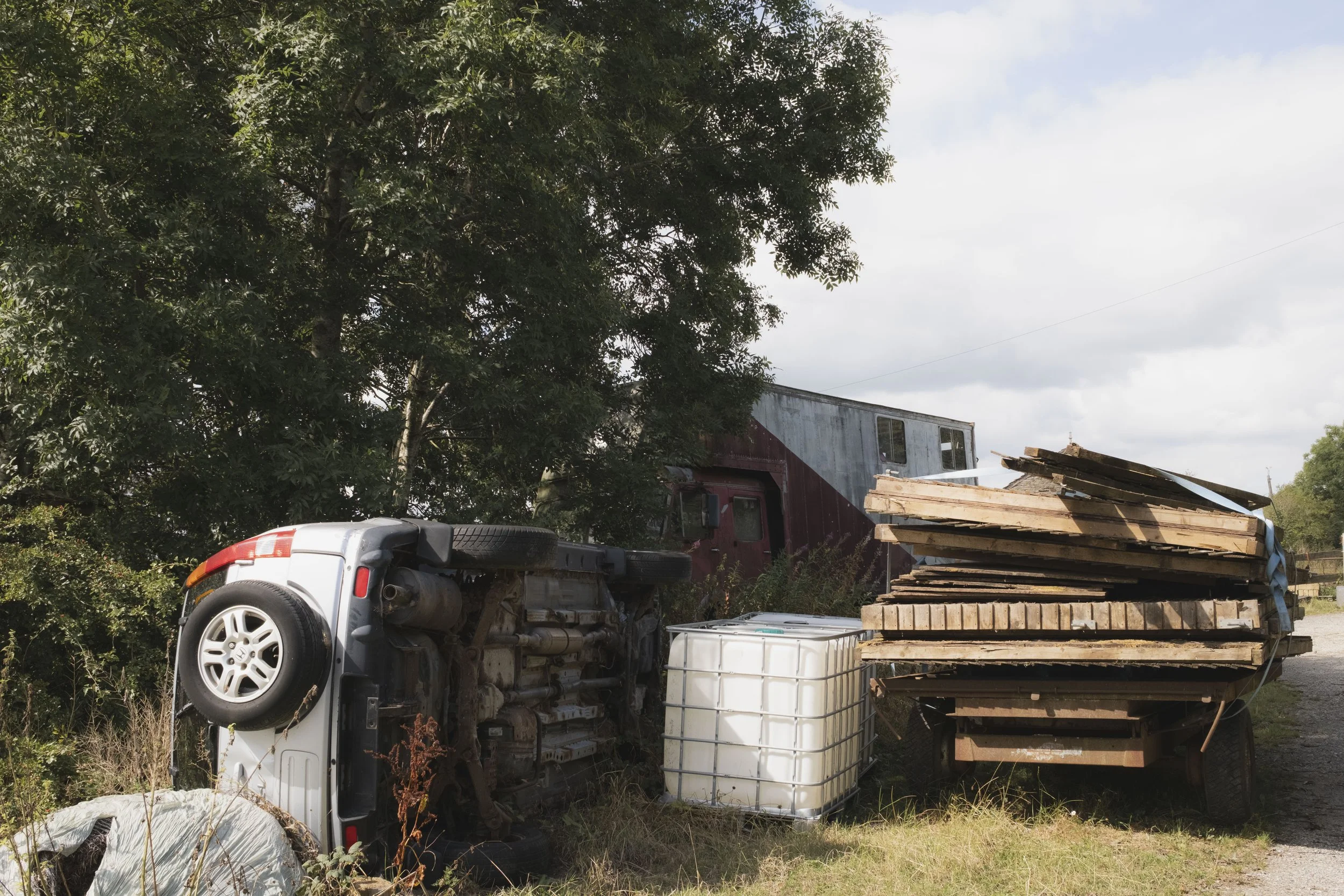
I've noticed that I'm often drawn to things that appear to have been forgotten about. Buildings that have fallen into disrepair, objects that have seemingly been abandoned, or things that just look completely out of place in their surroundings.
There's something about these subjects that makes me curious.
Why has that building been left to deteriorate? What's the story behind that object? Why is something sitting there when it looks like it doesn't belong?
I don't necessarily need to know the answers. In fact, sometimes I think a photograph becomes more interesting when it leaves a few questions unanswered.
Rather than heading somewhere with the expectation of coming home with a particular type of image, I've become much more interested in discovering what's already there.
Of course, not everything I photograph turns out to be particularly interesting. I've taken more than my fair share of photographs that probably deserved to stay on the memory card.
But I've also discovered that some of my favourite images have come from places I would once have dismissed as having very little photographic potential.
Sometimes, the most interesting photograph on a walk is the one you had absolutely no intention of taking.
Finding the Photograph Within the Subject
Of course, noticing something interesting is only part of the process. There's still the question of how to photograph it.
When something catches my attention, I like to consider how it relates to its surroundings. Rather than simply filling the frame with the subject, I'll often try to include enough of the environment to give it some context.
But I don't necessarily want to reveal everything.
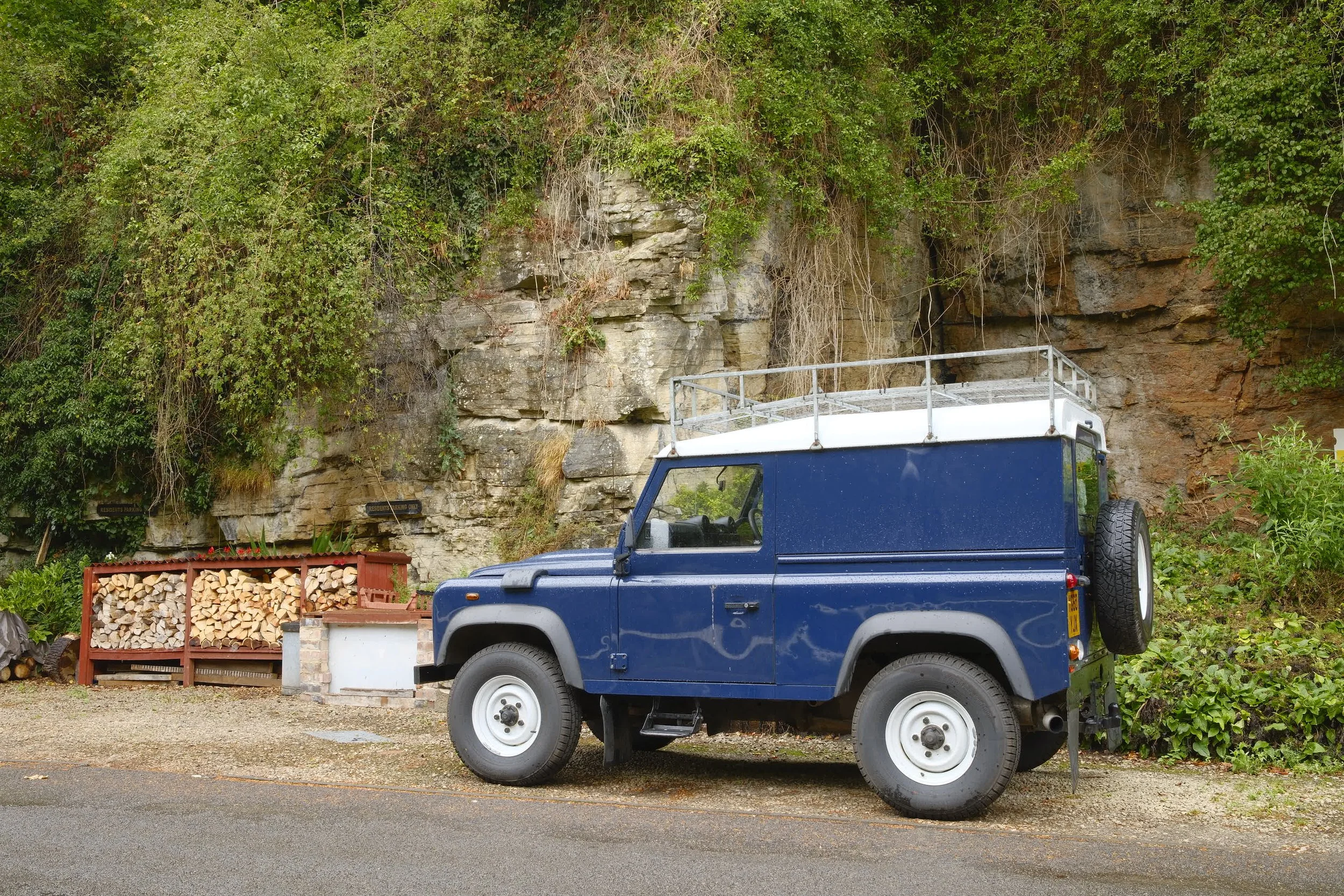
I like photographs that leave something to the imagination. Perhaps there's an unusual object sitting somewhere it doesn't seem to belong, or a building that's partially hidden from view.
By showing just enough of the scene, I hope to encourage the viewer to ask their own questions about what they're looking at.
And importantly, I don't think everyone needs to interpret a photograph in the same way.
Someone might notice a detail that I hadn't even considered when taking the picture. Another person might see an entirely different story in the same scene.
For me, that's part of what makes photography interesting.
I don't always want to provide the answers, or even tell people exactly what they're supposed to be looking at. Sometimes, I'd rather leave them with something to think about.
A Different Way of Looking at Familiar Places
If there's one thing my change in approach has taught me, it's that you don't necessarily need to travel somewhere special to find interesting photographs.
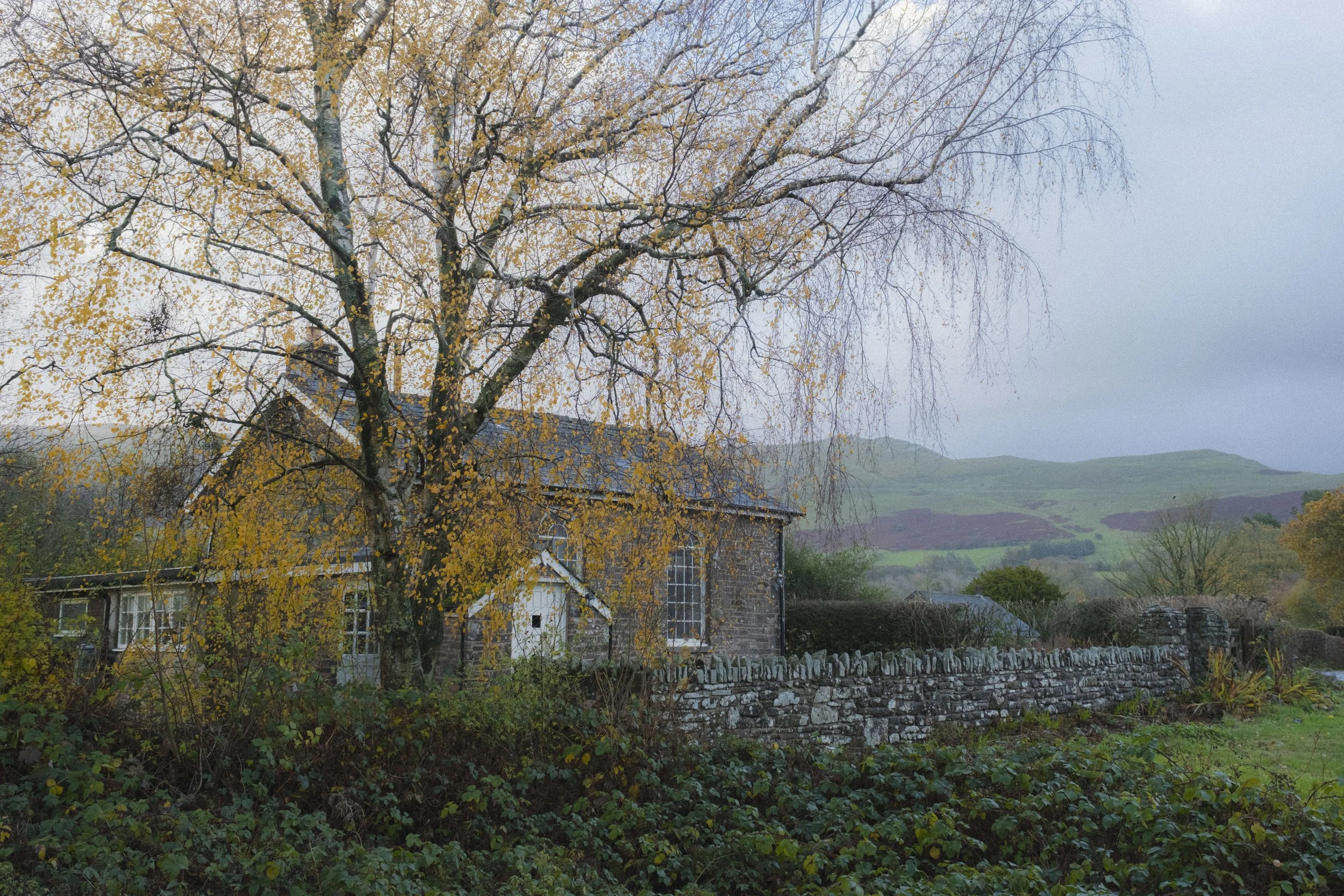
Sometimes, it can be worth exploring somewhere you've walked past hundreds of times without giving it much thought.
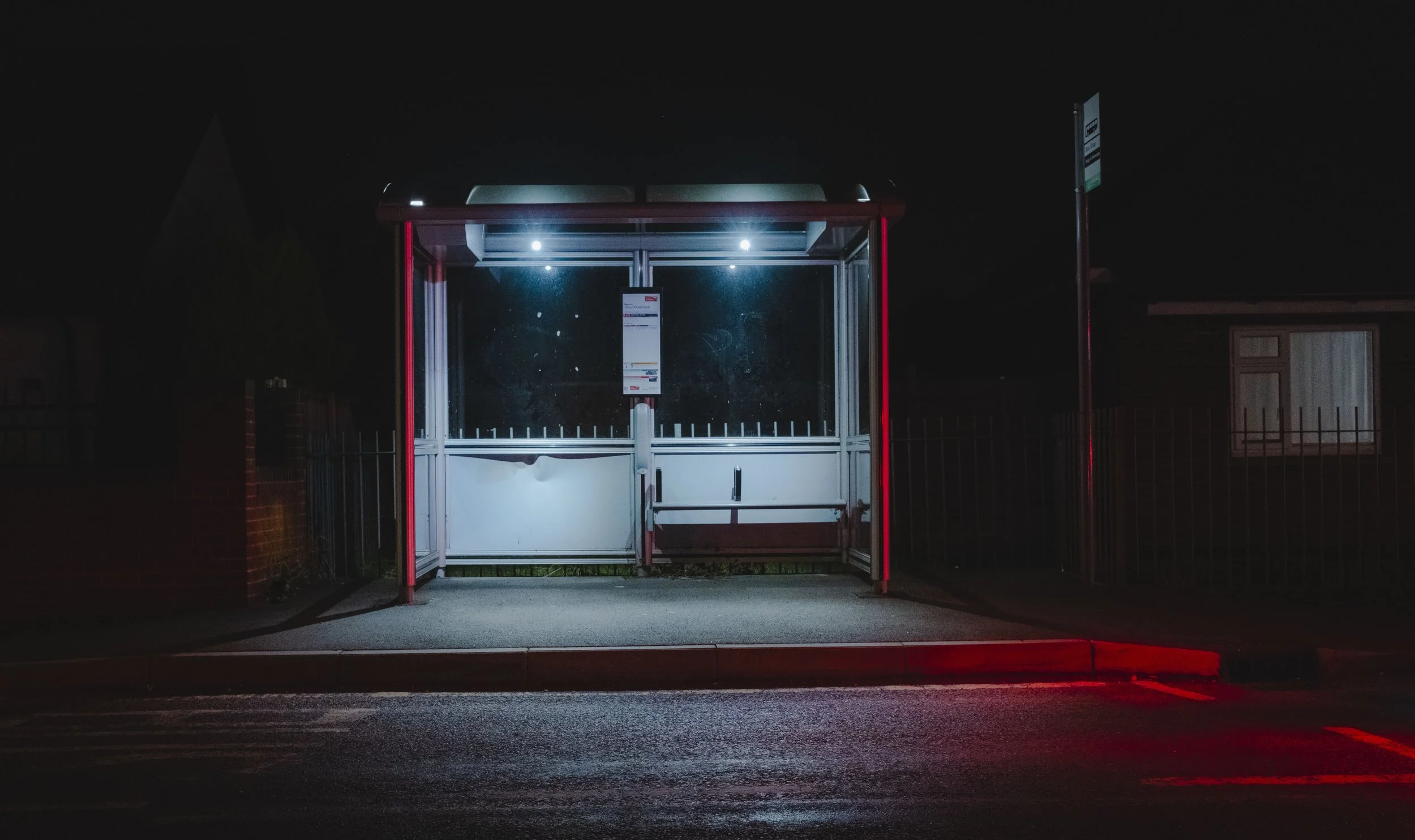
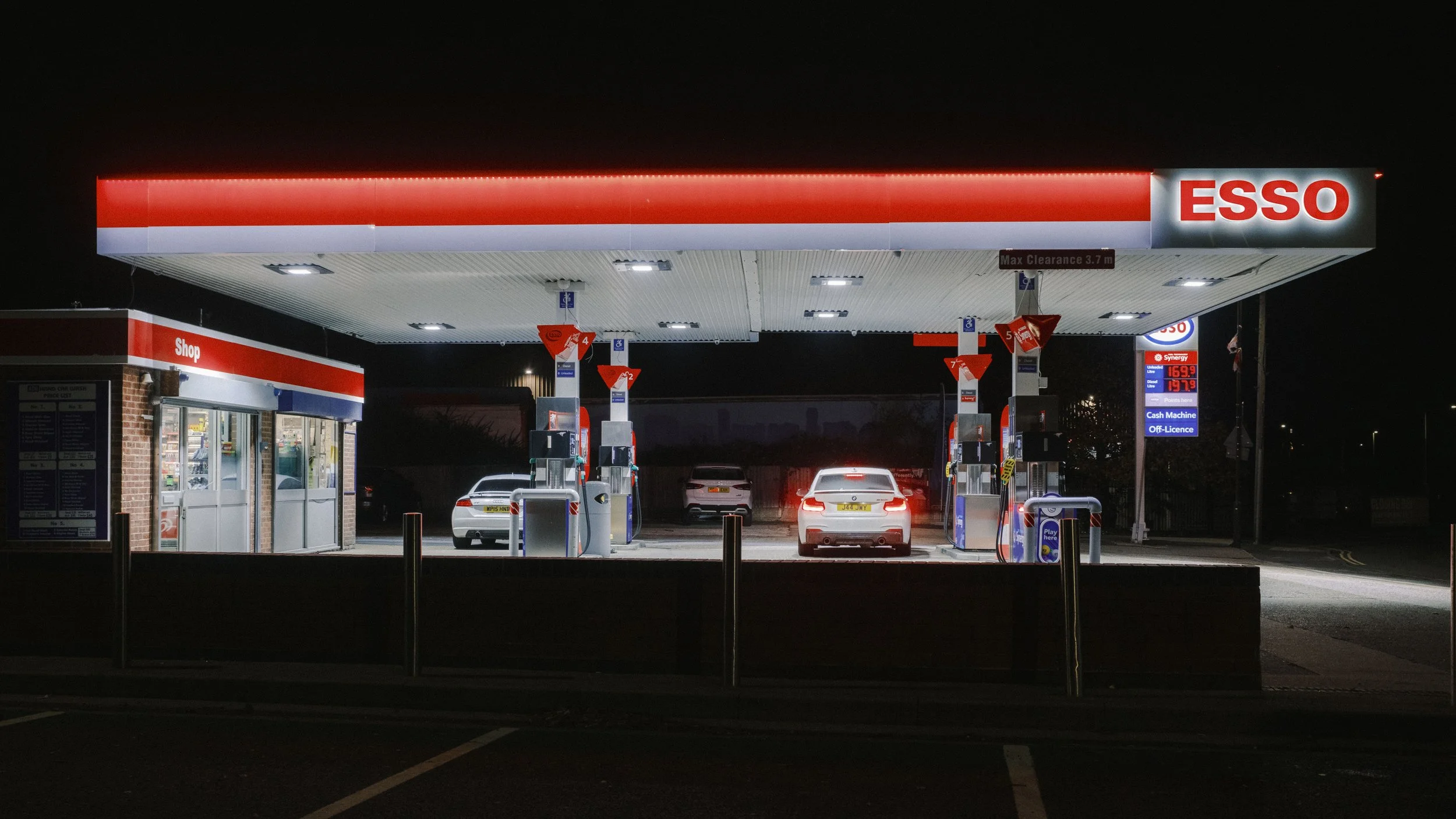
Perhaps it's a quiet residential street, an industrial estate or a footpath on the edge of town. Somewhere you'd never normally consider taking your camera.
Rather than heading out with a particular photograph in mind, try giving yourself the freedom to wander and see what catches your attention.
Look for things that seem slightly out of place. Signs of change, objects that have been forgotten about, or little details that make you wonder about the people who live or work there.
And when something does catch your eye, don't feel you have to photograph it immediately.
Spend a little time considering what's around it. Does including more of the environment make the subject more interesting? Or would leaving something out encourage the viewer to look a little closer?
You might discover that the most interesting part of the scene isn't necessarily the most obvious one.
And don't worry if you come home without a collection of photographs you're particularly pleased with.
For me, learning to notice things I might previously have ignored has become just as rewarding as the photographs themselves.
The Photographs We Didn't Expect to Take
The next time you head out with your camera, perhaps consider visiting somewhere you've never thought of photographing before.
It doesn't need to be beautiful, particularly interesting or even somewhere you'd normally choose to spend your time.
You might come home without a single photograph you like. I've certainly done that often enough.
But you might also discover something that makes you stop, look a little closer and wonder.
And these days, that's usually where my favourite photographs begin.